Zerticast
51 EpisodesListen to fun stories while learning German with me and Lena

B1
Breaking Bad – Ein Meisterwerk?
Daniel analyzes the Breaking Bad series. Walter White's transformation, the famous 'Fly' episode, and the show's strengths and weaknesses.
Series & Film
3:35
Daniel

Sign In
B1
Game of Thrones – Winter oder Enttäuschung?
Lisa analyzes Game of Thrones' brilliant start and controversial finale. Harsh criticism on Daenerys's downfall and Bran becoming king.
Series & Film
3:45
Lisa

Sign In
A2
Welcher Friends-Charakter bist du?
Sophie analyzes the Friends characters. Monica's obsession with order, Joey's love of food, Chandler's sarcasm... Which one are you?
Series & Film
3:55
Sophie

Sign In
B1
Warum ich HIMYM hasse
Alex harshly criticizes How I Met Your Mother's controversial finale. About Tracy's death and Ted returning to Robin.
Series & Film
4:00
Alex

Sign In
B1
Peaky Blinders – Meisterwerk oder Müll?
Kevin discusses the contradiction between Peaky Blinders' visual perfection and repetitive story structure. Tommy Shelby's charisma and endless cigarette scenes.
Series & Film
4:05
Kevin

Sign In
A2
Brooklyn 99 – Mein Happy Place
Sarah explains why Brooklyn Nine-Nine is the best 'comfort show'. Healthy masculinity, inclusivity, and Terry's yogurt love.
Series & Film
4:00
Sarah
Sign In
B1
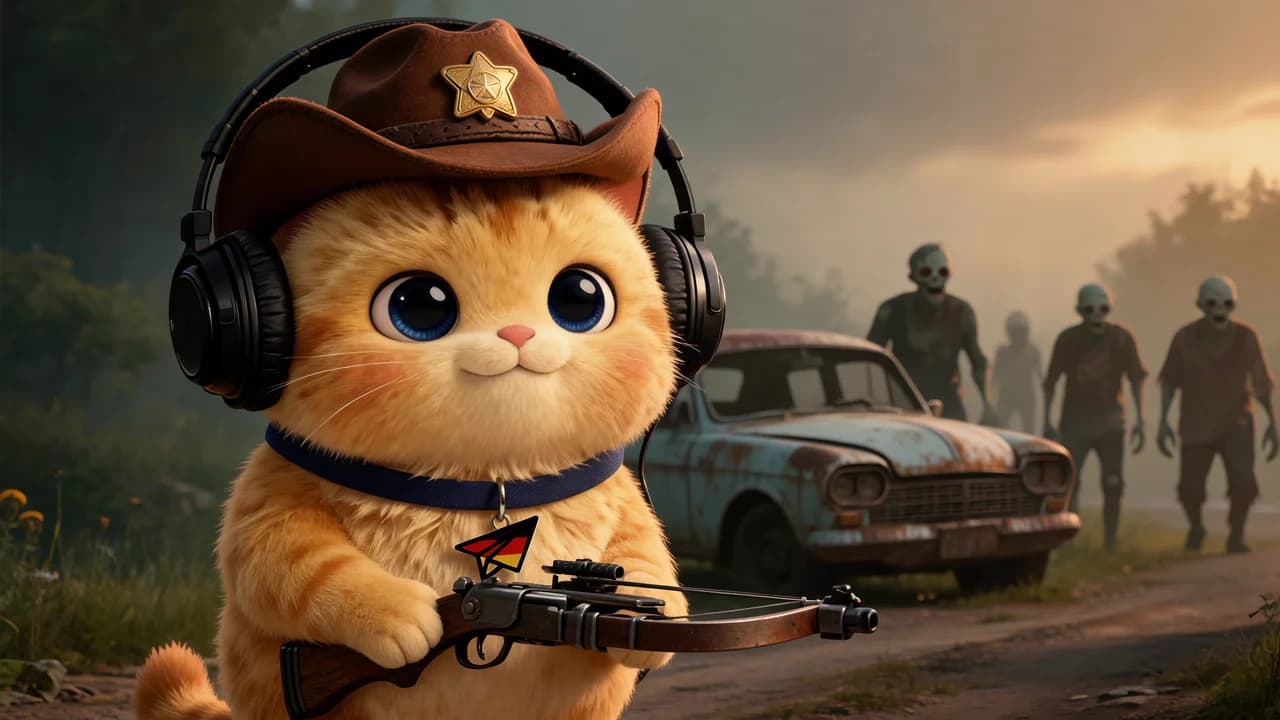
The Walking Dead – Hassliebe
Felix analyzes why The Walking Dead is both loved and hated. Ninja zombies, dumb decisions, and still watching anyway.
Series & Film
4:10
Felix
Sign In
B1
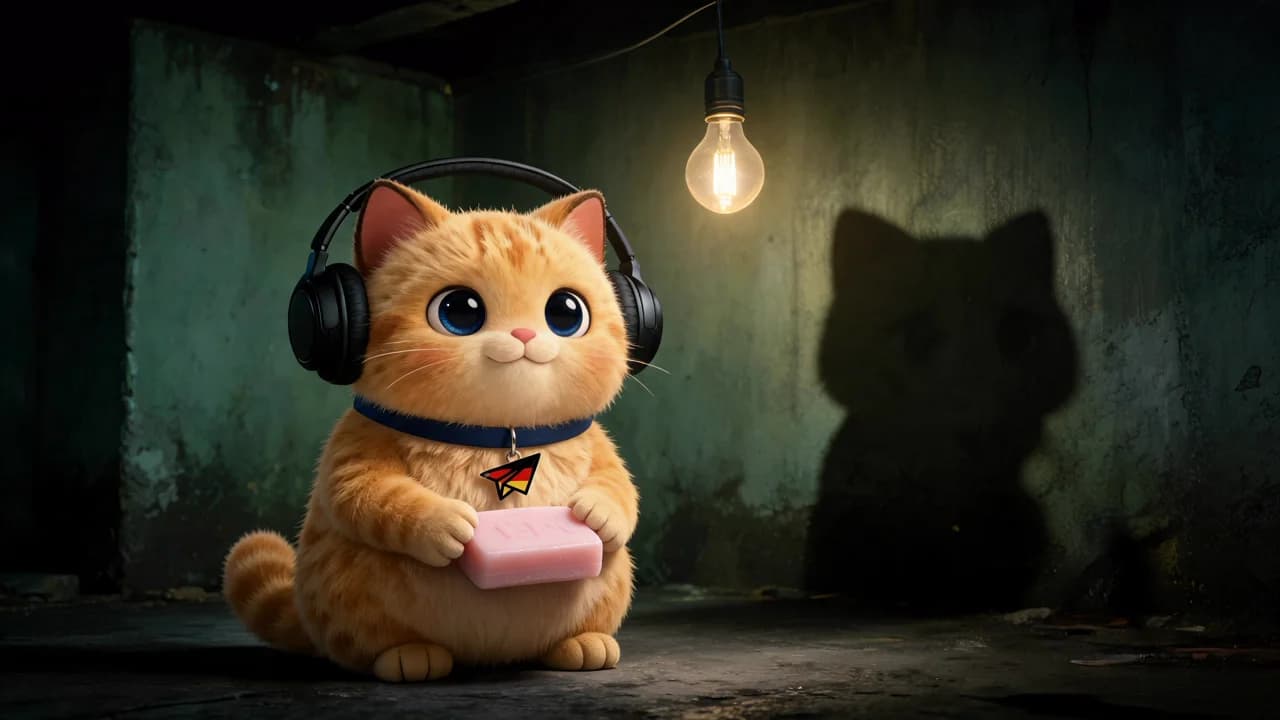
Fight Club – Alles nur im Kopf?
Mark thinks Fight Club is misunderstood. He argues Tyler Durden isn't about violence but a cry against the emptiness of modern life.
Series & Film
4:30
Mark

Sign In
B2
Manchester by the Sea – Der Mut zur Trauer
Sophie explains why Manchester by the Sea is an Oscar masterpiece. A film that rejects Hollywood's promise of hope, painting a raw portrait of grief.
Series & Film
4:50
Sophie

Sign In
B2
Der Pianist – Musik als Rettung
David analyzes Roman Polanski's Holocaust drama. Wladyslaw Szpilman's survival struggle and how music keeps the human spirit alive.
Series & Film
4:55
David

Sign In
B1
Interstellar – Liebe jenseits der Zeit
Elias discusses Christopher Nolan's sci-fi epic. Beyond black holes, a film that's actually about time and family drama.
Series & Film
4:45
Elias
Sign In
B1
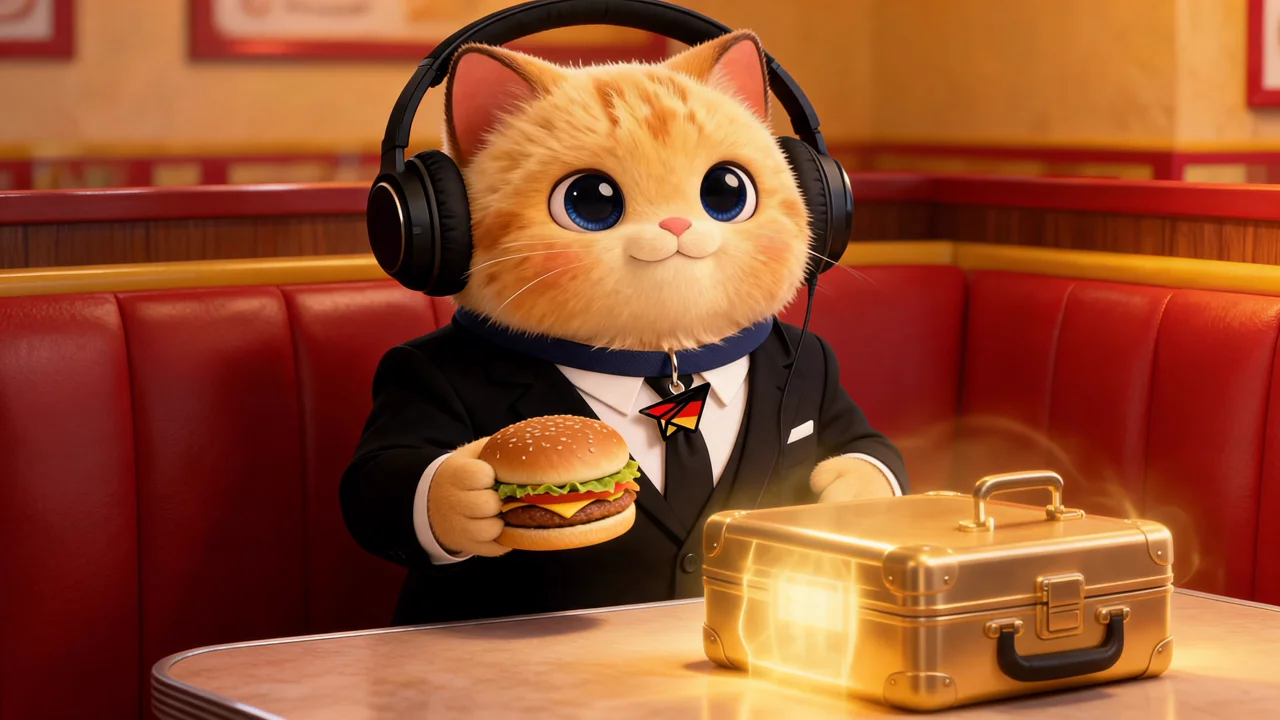
Pulp Fiction – Coolness, Burger und Blut
Leo reviews Tarantino's cult masterpiece. Why do gangsters talk about hamburgers? Why did non-linear storytelling revolutionize cinema?
Series & Film
5:00
Leo

Sign In
B1
Der Herr der Ringe – 9 Stunden Spazieren?
Kevin challenges the sacred trilogy. A nine-hour walking simulator? Why does the eagle logic error drive everyone crazy?
Series & Film
4:50
Kevin
Sign In
B1
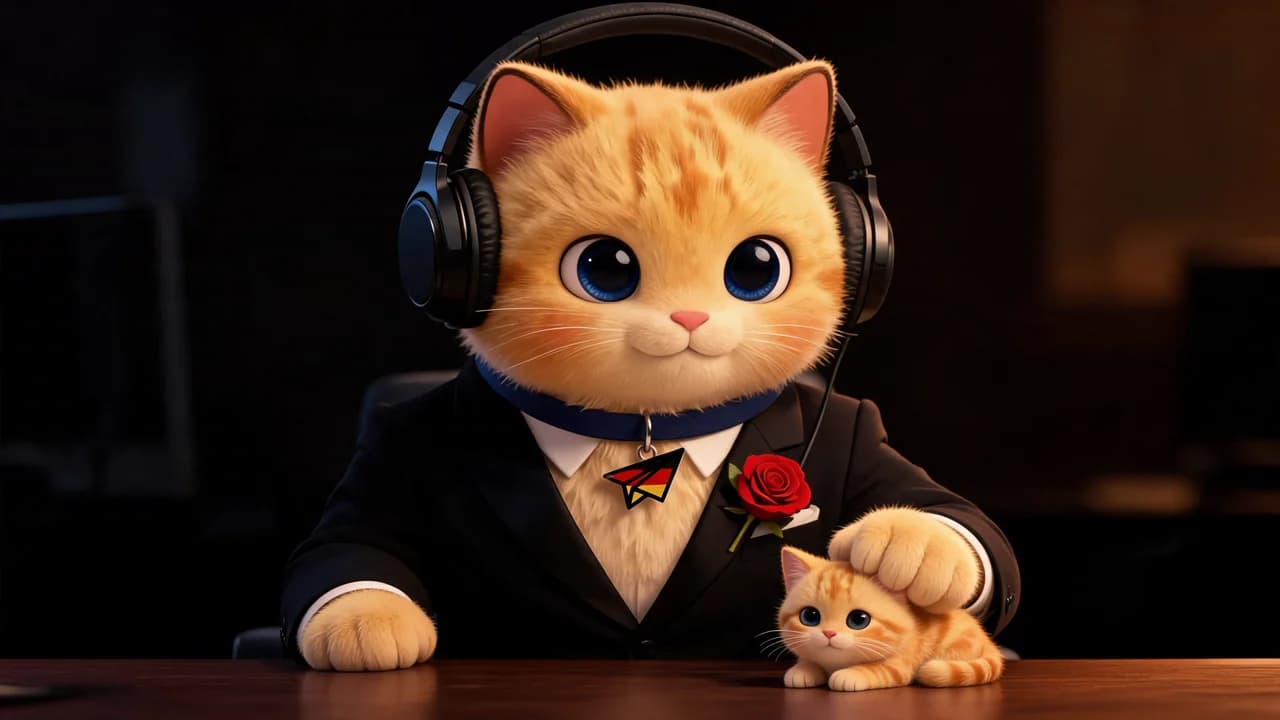
Der Pate – Ein Angebot, das man nicht ablehnen kann
Mario says it's not a gangster film but a horror film about losing your soul. Michael Corleone's transformation from good man to monster.
Series & Film
4:45
Mario

Sign In
B1
Whiplash – Der Preis der Perfektion
Felix argues it's a war film, not a music film. Is Fletcher a monster or a genius creator? Andrew's bloody hands and obsessive pursuit of perfection.
Series & Film
4:40
Felix

Sign In
B1
Matrix – Simulation, Ledermäntel und Kung Fu
Nils analyzes the 1999 cult classic. Red pill or blue pill? Bullet-time effect and the question 'What is real?'
Series & Film
6:55
Nils

Sign In
B2
Joker – Ein Lachen, das wehtut
Sarah psychologically analyzes Joaquin Phoenix's Oscar performance. Arthur Fleck's pathological laugh and the bathroom dance scene.
Series & Film
7:00
Sarah
Sign In
B2
Das Schweigen der Lämmer – Ein Abendessen mit Hannibal
Magnus analyzes the best thriller of the 90s. Anthony Hopkins' 16-minute terrifying performance and Clarice's feminist story.
Series & Film
7:05
Magnus
Sign In
B1
Dexter – Der nette Serienkiller von nebenan
Lisa examines Miami's nicest serial killer from a criminal psychology perspective. Harry's Code and the Dark Passenger.
Series & Film
6:05
Lisa

Sign In
B1
House of the Dragon – Feuer, Blut und Perücken
Tobi analyzes the Game of Thrones prequel. Targaryen civil war, giant dragons, and the destructive power of patriarchy.
Series & Film
6:15
Tobi

Sign In
B2
The Sopranos – Die Mutter aller Serien
Marco analyzes the series that changed television history. A mafia boss with panic attacks and the legendary black screen finale.
Series & Film
6:35
Marco
Sign In
A2
Der Mut, Fehler zu machen
Jonas tells the funny kitchen disaster he had while trying to make Schwarzwälder Kirschtorte for his friend's birthday. About not being afraid to make mistakes and trying again.
Lifestyle
4:05
Jonas

Sign In
A2
Die Kunst der Selbstdisziplin
Mark shares his struggle with his smartphone while studying and how he succeeded with the Pomodoro technique.
Lifestyle
3:55
Mark

Sign In
B1
Grenzen setzen
Julia shares her decision to end a toxic friendship that drained her energy and the process of setting her own boundaries.
Lifestyle
3:45
Julia

Sign In
A2
Der Kulturschock
Brazilian Carlos tells of the culture shock he experienced trying to return glass bottles on a Sunday in Munich. The German Sonntagsruhe tradition!
Lifestyle
4:10
Carlos

Sign In
B1
Ein Leben ohne Plastik
Thomas shares his experience of living without plastic for a month and the challenges of the Zero Waste lifestyle.
Lifestyle
3:45
Thomas

Sign In
A2
Serendipity – Handschuhe, heiße Schokolade und ein bisschen Magie
Clara explains why this wintry New York romantic comedy about fate still works. A first meeting over the last pair of cashmere gloves, a five-dollar bill and the unforgettable elevator test.
Series & Film
4:37
Clara

Sign In
B2
Gladiator – Rache, Sand und Ewigkeit
Julian, an ancient historian, argues that Gladiator isn't a history book but a masterfully told legend. Maximus's dignity, Joaquin Phoenix's wounded Commodus and the Battle of Carthage reenacted in the arena.
Series & Film
5:52
Julian

Sign In
A2
Succession – Viel Geld, wenig Freude
Nina doesn't share the hype around this acclaimed HBO series: four seasons of the same fight over the family business and not one likable character. Her verdict: lots of money, lots of shouting, little heart.
Series & Film
4:27
Nina

Sign In
A2
The Last of Us – Viele Pilze, wenig Zombies
Kai, who has played the game five times, is let down by the HBO adaptation: hardly any zombies, no spores and no real fear. His advice: skip the series and play the game instead.
Series & Film
4:11
Kai
Sign In
B2
Better Call Saul – Sechs Staffeln Warten auf Saul
Sabine finds the series many critics rank above Breaking Bad overrated: a prequel whose ending we already know, a transformation that takes five seasons and two storylines that barely connect. Only Kim Wexler wins her over.
Series & Film
5:17
Sabine

Sign In
B2
Sherlock – Ein Genie in der Baker Street
Oliver, a crime novelist, explains how the BBC series breathed new life into Conan Doyle's classic. Thoughts floating on screen, the mind palace, Andrew Scott's unpredictable Moriarty and the famous question: 'Afghanistan or Iraq?'
Series & Film
5:16
Oliver
Sign In
A2
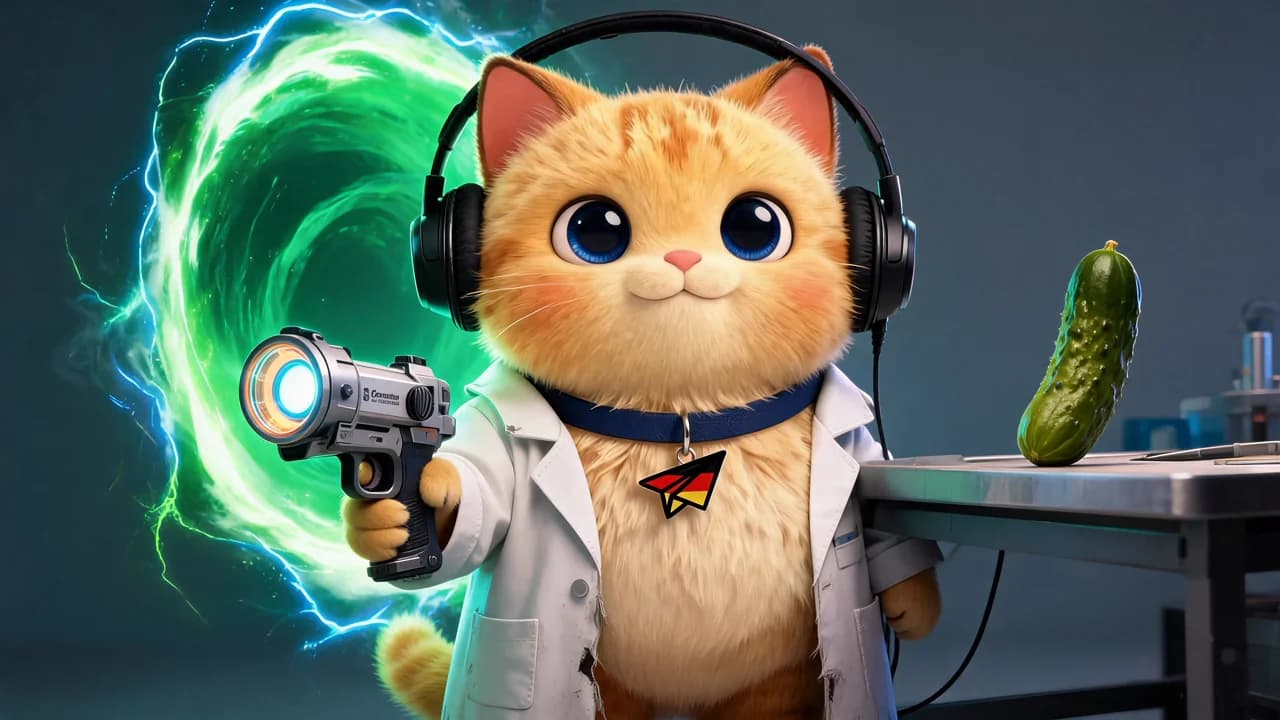
Rick and Morty – Ein verrückter Opa im Weltall
Mia, a comic artist, calls it the craziest and most creative series on TV. Rick turning himself into a pickle, the blue Mr. Meeseeks and jokes that suddenly make you think.
Series & Film
4:24
Mia
Sign In
A2
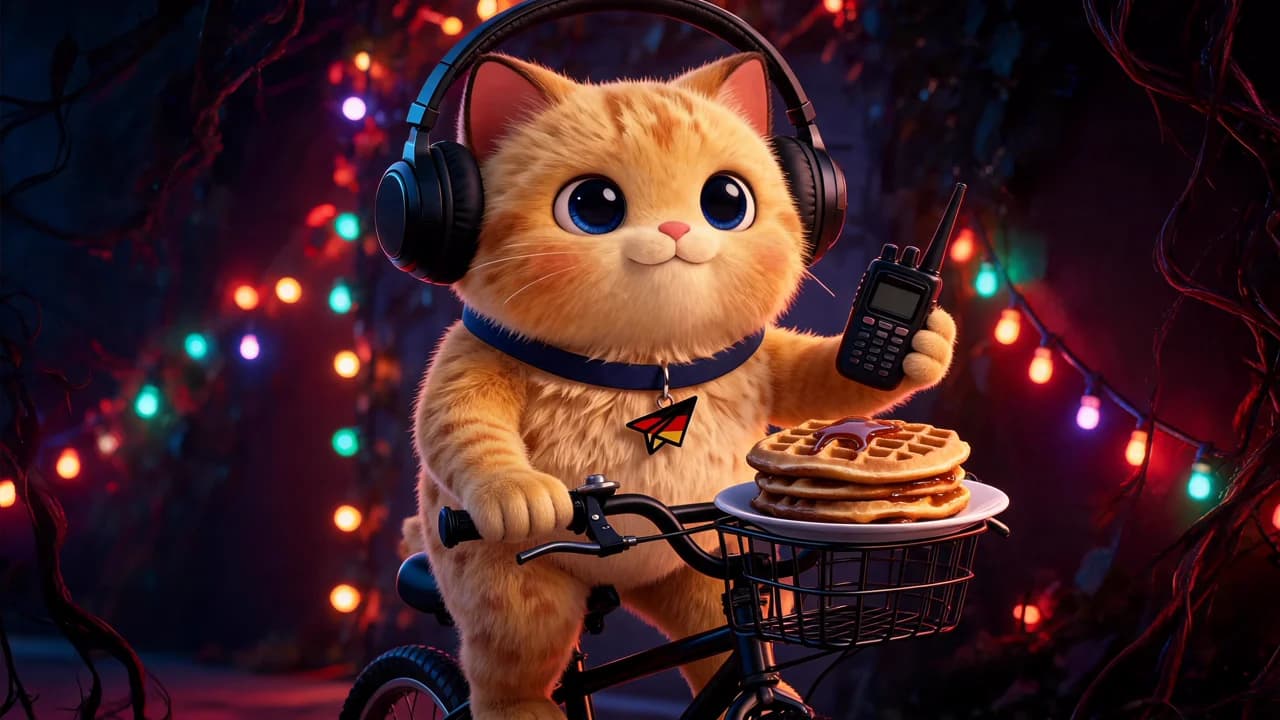
Stranger Things – Fahrräder, Monster und Waffeln
Jonas thinks the first season is almost perfect: kids on bikes, Eleven and the Christmas lights on the wall. But the later seasons get too long and too crowded, as his 'waffle theory' explains.
Series & Film
4:20
Jonas
Sign In
B2
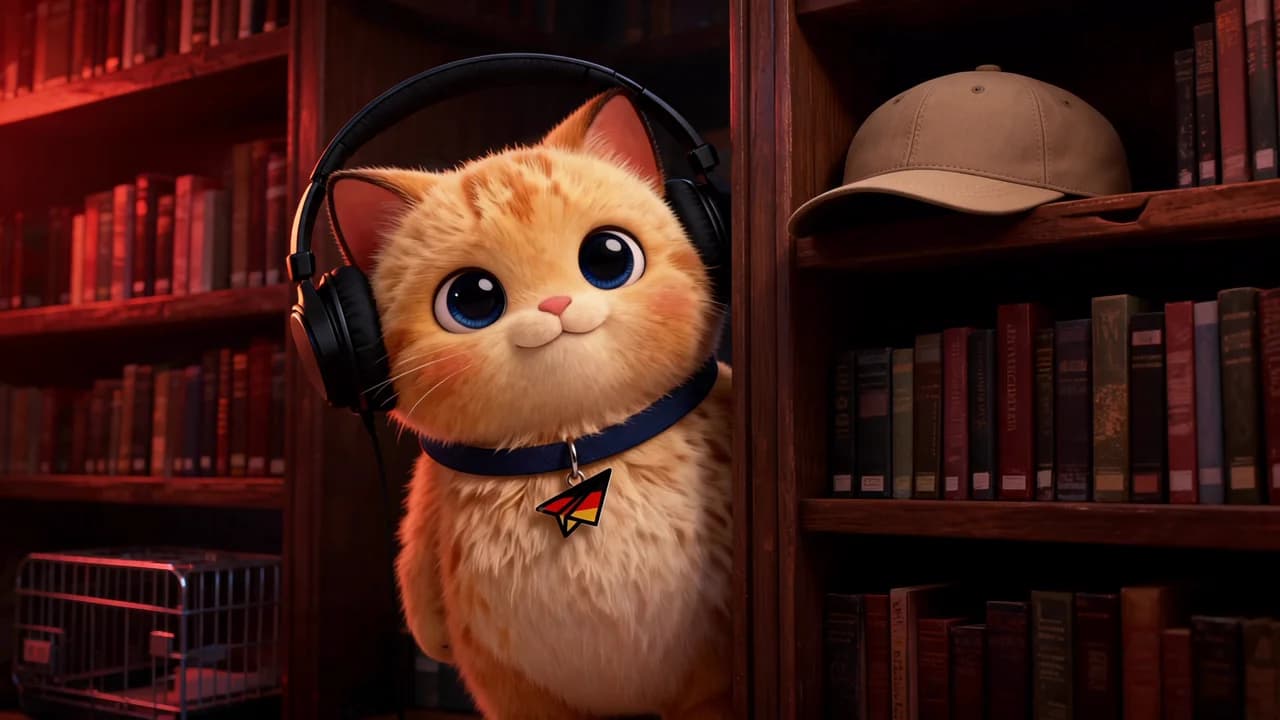
You – Liebe, die keine ist
Katharina, a media psychologist, calls You one of the most problematic series of recent years. Joe's inner voice turns a stalker into a romantic hero, and every season repeats the same pattern.
Series & Film
4:56
Katharina
Sign In
A2
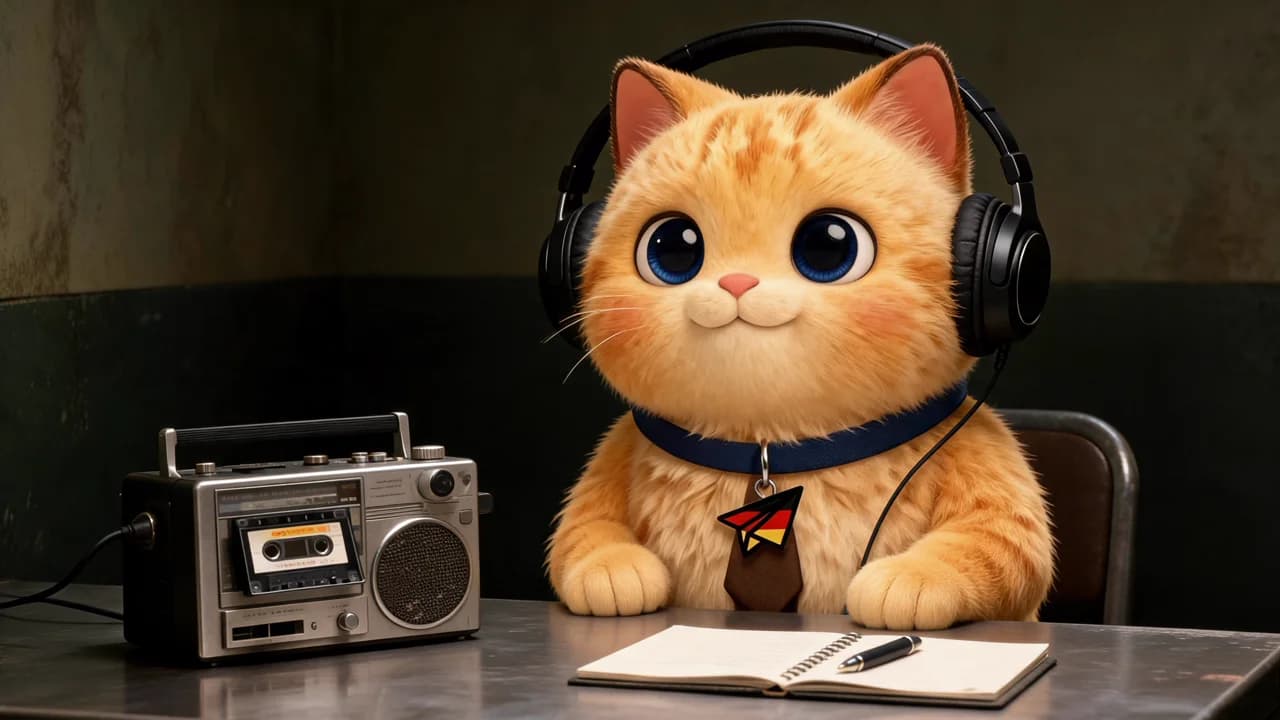
Mindhunter – Gespräche mit Monstern
Paul, a retired police officer with over 30 years on the job, calls Mindhunter the best crime series ever. The prison talks with Ed Kemper scare him more than any horror film; the only tragedy is that there's no third season.
Series & Film
4:22
Paul

Sign In
B2
Rocky – Fünfzehn Runden für die Würde
Selin, a sports journalist, argues that Rocky is really a film about dignity, love and second chances. Stallone's own underdog story, the ice-rink date with Adrian and the famous run up the museum steps.
Series & Film
5:22
Selin
Sign In
B2
Nader und Simin – Eine Trennung: Ein Film ohne Bösewicht
Dariush, a film critic born in Tehran, calls Asghar Farhadi's Oscar winner one of the smartest films of the century. An opening scene that makes us the judges, and a story where everyone lies but no one is evil.
Series & Film
5:16
Dariush

Sign In
A2
Vergiss mein nicht – Ein Film, den ich vergessen möchte
Hanna finds Eternal Sunshine of the Spotless Mind one of the most exhausting films she has ever seen: chaotic time jumps, a love story she never believes and a Jim Carrey who never laughs. Her verdict: all head, no heart.
Series & Film
4:34
Hanna

Sign In
A2
Der Elefantenmensch – "Ich bin ein Mensch!"
Felix talks about the David Lynch film that made him want to become a doctor. John Merrick's cup of tea at Dr. Treves's home and his unforgettable cry at the station: "I am not an animal!"
Series & Film
4:17
Felix

Sign In
A2
The Avengers – Viel Lärm um nichts
Eva, who runs a small cinema in Leipzig, doesn't like the film at all: too many heroes, too many jokes and a noisy forty-minute New York finale. To her, it's just an expensive ad for the next movie.
Series & Film
4:26
Eva

Sign In
A2
Stirb langsam – Der beste Weihnachtsfilm aller Zeiten?
Stuntman Tarik crowns Stirb langsam the king of action films. John McClane, an ordinary cop fighting barefoot, the elegant villain Hans Gruber and real stunts made without computer tricks.
Series & Film
4:11
Tarik

Sign In
A2
Das Leben ist schön – Mein Lieblingsfilm für immer
Giulia from Florence talks about the Roberto Benigni film she first saw with her grandmother. Guido turns the concentration camp into a game for his son, including the unforgettable scene where he "translates" a German soldier's rules.
Series & Film
4:46
Giulia

Sign In
B2
Scarface – Die Welt gehört dir?
Music producer Can is torn: Al Pacino is too loud and the film too long, yet the motel scene and Giorgio Moroder's score are unforgettable. He also explains why hip-hop misreads Tony Montana.
Series & Film
5:01
Can

Sign In
A2
Die letzten Glühwürmchen – Kleine Lichter in einer dunklen Zeit
Japanologist Anna presents the podcast's first anime: Seita and his little sister Setsuko, left all alone in wartime Japan. A bunker full of fireflies and a small candy tin that slowly empties.
Series & Film
4:35
Anna
Sign In
B2
Die zwölf Geschworenen – Ein Raum, zwölf Männer, ein Zweifel
Judge Thomas calls Sidney Lumet's classic the best courtroom film ever made. Juror No. 8's identical knife, a camera that slowly closes in on the room and the principle of reasonable doubt.
Series & Film
5:13
Thomas

Sign In
B2
The Wolf of Wall Street – Drei Stunden Party, null Reue
Business journalist Miriam sees not a satire but a three-hour ad for a fraudster. The victims are almost invisible, and even DiCaprio's brilliant performance can't save a morally empty film.
Series & Film
5:03
Miriam
Sign In
B2
Death Note – Ein Heft, zwei Genies, keine Gnade
Manga translator Lukas calls Death Note one of the smartest thrillers ever. The chess-like duel between Light and detective L, the legendary potato chip scene and big questions about power and morality.
Series & Film
4:56
Lukas
Sign In
B2
Requiem for a Dream – Schock statt Verständnis
Addiction therapist Jana takes a critical look at the cult film: technically strong but humanly cold. She praises Ellen Burstyn as Sara but criticizes a story with no room for help or hope.
Series & Film
4:55
Jana

Sign In
B2
Die Frau, die singt – Ein Film, der brennt
For Beirut-born theatre director Karim, this is the best film he has ever seen. Twins following their mother's mysterious will, the unforgettable bus scene and Lubna Azabal's powerful Nawal.
Series & Film
5:02
Karim

Sign In
B2
Der Duft der Frauen – Ein Tango fürs Leben
Tango teacher Carmen from Buenos Aires sees one of cinema's most beautiful stories about friendship. Blind Frank Slade's tango to "Por una cabeza" and the role that finally won Al Pacino an Oscar.
Series & Film
5:26
Carmen